
[ad_1]

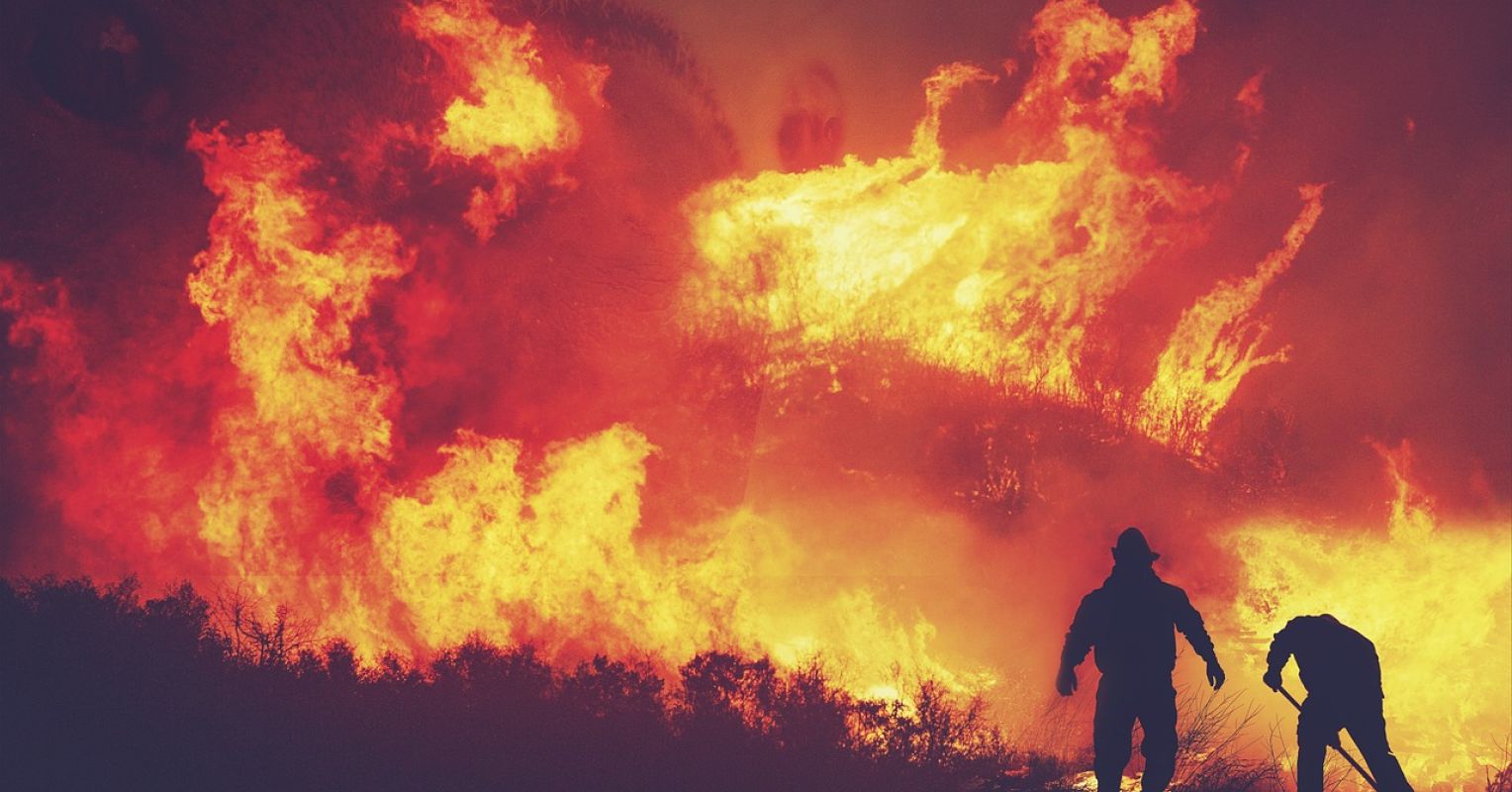
Source: ELG21 / Pixabay
Wildfire smoke is a elaborate combination of gases and fine particulate matter (PM2.5) manufactured throughout the combustion of vegetation and other organic components in a wildfire. Though the quick overall health pitfalls of wildfire smoke are properly-documented and include respiratory troubles and cardiovascular difficulties, rising exploration suggests that wildfire smoke exposure can also have substantial results on brain well being and cause inflammation in the central anxious process. Here’s an overview of current investigate which demonstrates how this occurs.
Wildfires
According to Organic Resources Canada, as of July 19, 2023, the interagency hearth middle has recorded 4,241 wildfires because the beginning of the calendar year. The fires have scorched at the very least 11 million hectares — or around 27.1 million acres — of land throughout Canada. In the U.S., 74 significant wildfires have burned 487,140 acres in 13 states. To date, 39,851 wildfires have burned 2,078,998 acres.
The variety of wildland fire acres burned per calendar year has around doubled because 1985. These fires now routinely deliver smoke that deteriorates air good quality for most of the state. This smoke includes a multifarious combination of poisonous factors thanks to myriad combustion gasoline sources (e.g., trees, grass, animals, houses, cars etc.). These little particles, known as PM2.5, are smaller sufficient to be inhaled deep into the lungs, the place they can then enter the bloodstream and vacation to the mind.
PM2.5 particles comprise substances that can crank out oxidative strain in the entire body. Oxidative stress takes place when there is an imbalance in between hazardous free radicals and the body’s capacity to counteract them with anti-oxidants. This oxidative strain can harm cells, together with individuals in the mind.
The body’s response to the existence of PM2.5 and other dangerous substances in wildfire smoke includes the launch of pro-inflammatory molecules, these kinds of as cytokines. These molecules can add to swelling through the system, including the mind.
Wildfire exposures have been joined to cardiovascular, pulmonary, ocular, nasal and lately neurological outcomes, especially in older folks and these with continual respiratory situations.
A examine from Washington State in 2020 believed that 7.1 million folks were being exposed to regular daily particulate make any difference (PM2.5) concentrations ranging from 30 to 190 µg/m3 for 13 consecutive day.
If all that was not already alarming enough, a recently released paper in the Journal of Neuroinflammation by University of New Mexico Wellbeing Sciences researchers gives new trigger for concern, exhibiting that wildfire smoke can bring about swelling in the mind that persists for numerous weeks. Inhaled particulate issue from wildfire smoke and other pollutants induces the development of fragmented peptides that impair the performing of the blood-mind barrier. The blood-mind barrier is made up of a layer of tightly packed cells lining blood vessels in the brain that act as a protecting filter that separates the bloodstream from the brain tissue. It assists regulate the passage of substances into the mind. Wildfire smoke exposure has been affiliated with the disruption of the blood-brain barrier, allowing for destructive substances to enter the mind and a lot more simply lead to neuroinflammation and even more activation of astrocytes and microglia, the immune cells of the brain.
Worse, the inflammatory approach has an effect on the hippocampus – the brain region essential for finding out and memory, thus primary to persistent deficits in cognition and notice affiliated with a variety of neurological problems, alterations in neurodevelopment in early daily life, and mood ailments through daily life. The experts of this examine did not see a entire resolution of the consequences of smoke inhalation after 28 times, they said, and that was very terrifying.
The human physique looks capable of adapting to serious particulate publicity to an extent, said the paper’s senior creator, Matthew Campen, Regents’ professor in the College of Pharmacy and co-director of the UNM Scientific & Translational Science Middle. But periodic exposures pose a difficulty because they lead to a surge in inflammatory activity, and ill effects seem much more relevant to the fluctuations, alternatively than the baseline stages of pollutants. “Part of what would make this so special and worrisome is the intermittent mother nature of it,” he claimed. “We have rural communities that are otherwise enjoying clean wonderful air, in particular in the Rocky Mountain region, and then, all of a sudden, they have suffocating amounts of pollutants and it’s absent a 7 days afterwards. It’s a actual hit to a naïve technique.”
If you’re a firefighter, or if you just resided in a local community that has experienced some of these extraordinary smoke exposures, you could be encountering neurocognitive or mood ailments weeks or months after the party.
Summary
The body’s response to the existence of PM2.5 and other hazardous substances in wildfire smoke includes the launch of professional-inflammatory molecules this kind of as cytokines. These molecules can contribute to inflammation throughout the physique, including the mind. Prolonged publicity to wildfire smoke has been connected to a variety of neurological consequences, which includes cognitive impairment, mood disturbances, and an increased possibility of neurodegenerative ailments like Alzheimer’s and Parkinson’s ailment.
Lessening publicity to wildfire smoke via actions like being indoors in the course of durations of very poor air quality, working with air purifiers, and donning N95 respirator masks can enable mitigate some of these threats. In addition, addressing the root brings about of wildfires, these kinds of as climate adjust and land management tactics, is essential for preventing the popular and intense wildfires that produce dangerous smoke.
[ad_2]
Supply backlink