
[ad_1]
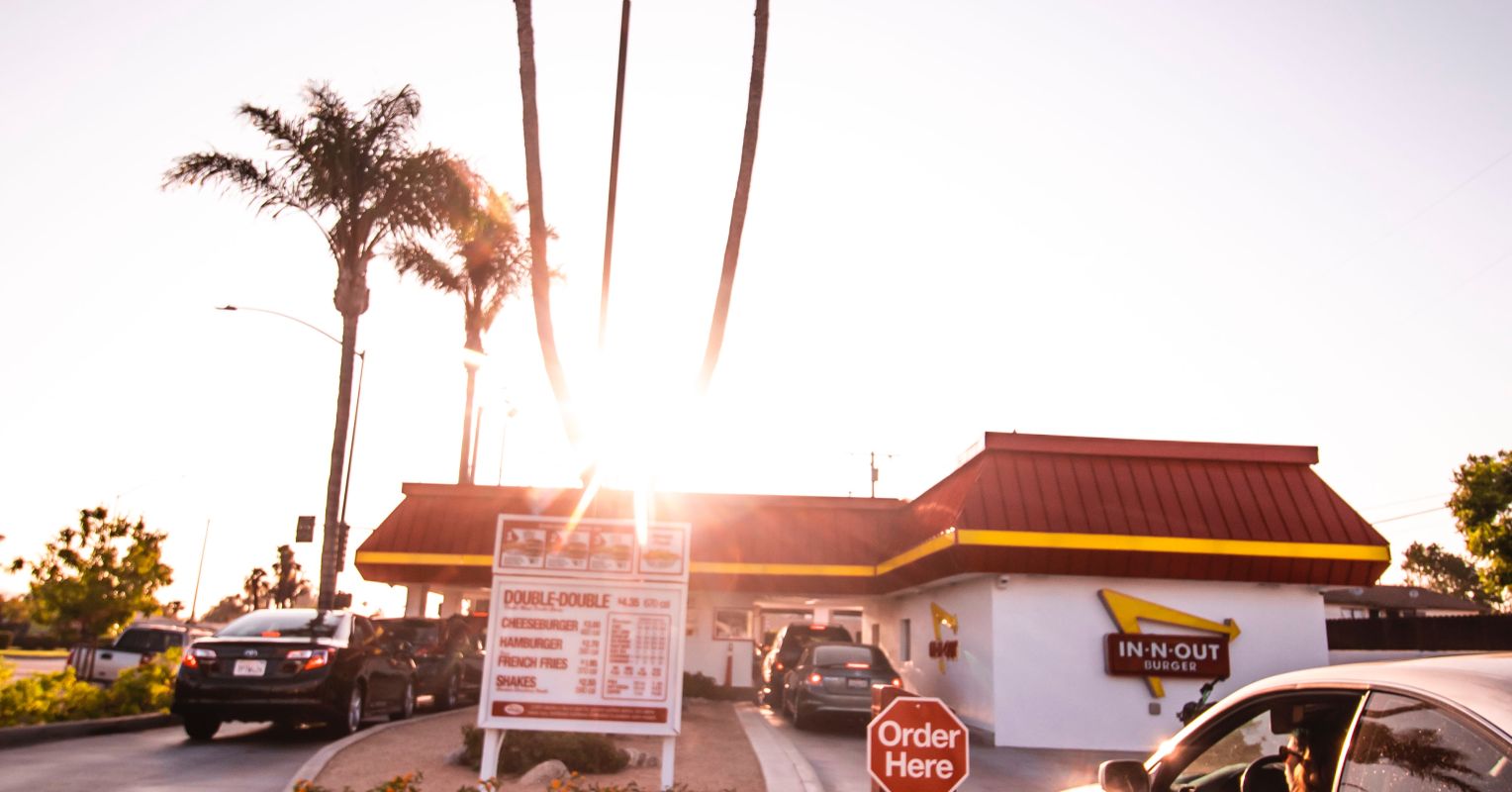
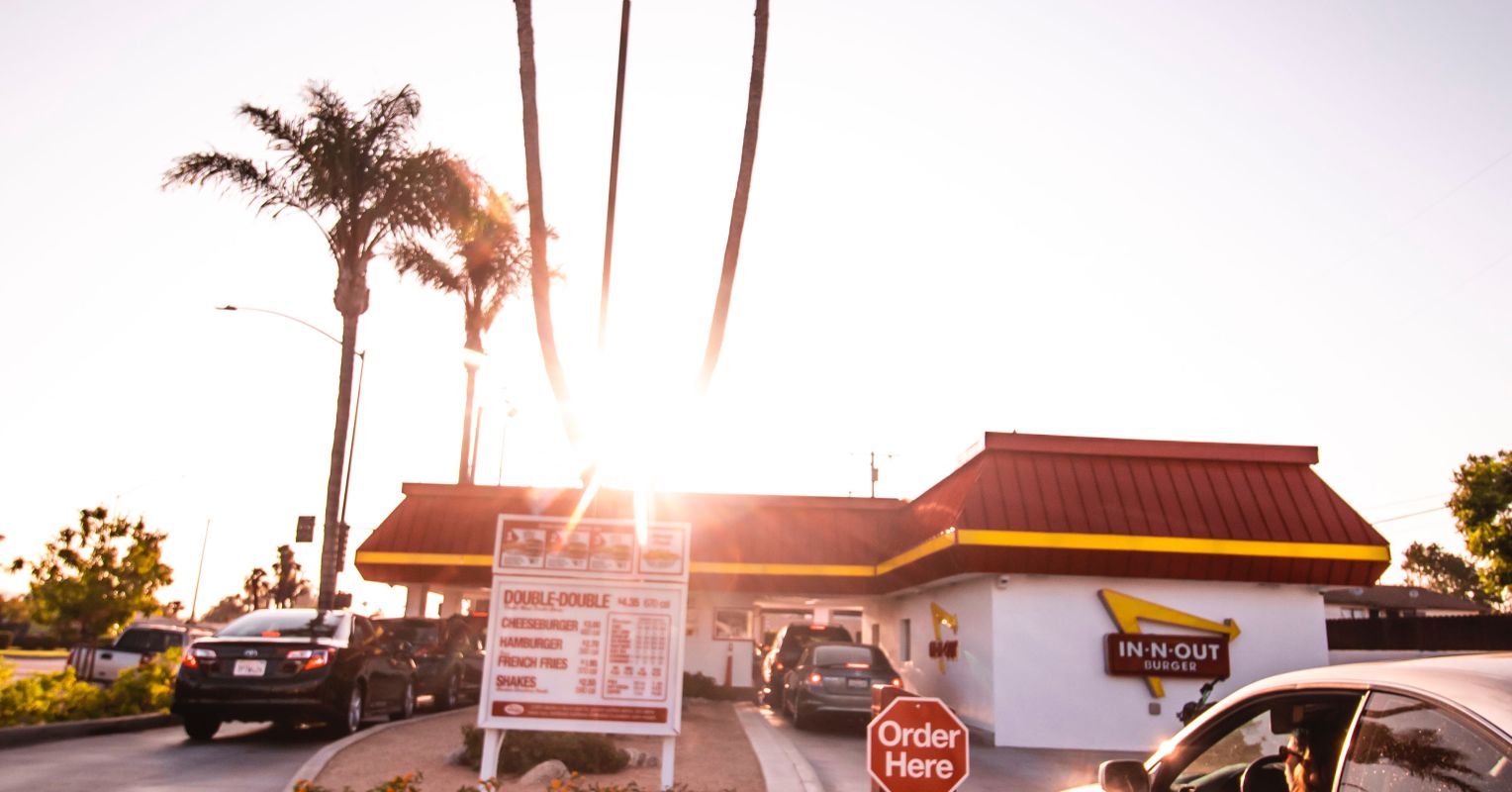
Did you at any time observe that quickly food items generate-through lanes are a trap? Except if the line is now extended and backed up all-around the curve, you simply cannot see how many autos are in advance of you. The moment you have put your buy, you are blocked from exiting by the automobiles in entrance of you and (shortly) by these following you. And there is a barrier that stops exiting.
In the course of peak lunch and meal several hours, it’s prevalent to see lengthy traces of autos, engines managing, with persons waiting patiently (a lot more or less) for their foodstuff orders. Why not just park and go inside of? During the pandemic, of study course, restaurant lobbies had been largely closed. The travel-via was the only selection. But places to eat are open yet again. And moreover, the query of why persons endure waiting in extended push-via traces precedes COVID-19.
Behavioral Economics
The travel-thru query is a little bit like the paradox of cost savings in behavioral economics. Why will men and women generate 5 miles out of their way to preserve $10 on a toaster oven but not 5 miles out of their way to preserve $10 on the value of a new motor vehicle? Why will someone clip a $1 coupon for a box of cereal but not travel half a mile additional to help save the same $1 on a tank of gasoline? Rationally, the volume saved is the similar. But the context is distinctive.
The toaster-oven-as opposed to-new-automobile example illustrates the electrical power of the anchoring influence. A toaster oven typically offered for $50 but that is now on sale for $40 has a even larger psychological effect. The anchor price tag of $50 as opposed to today’s sale price tag of $40 alerts a enormous personal savings (20%) as very well as a fleeing chance (worry of lacking out). The 5-mile generate pales in comparison. But suppose you have two delivers on precisely the similar auto from two dealers—one found a mile from your household and the other 6 miles away. If the close by dealer’s selling price is only $10 more, why trouble driving the 5 miles more? A $10 financial savings on a $40,000 vehicle appears like pennies—and as a percentage of the complete cost, it is (.00025). But in both circumstance, 5 miles is 5 miles, and $10 is $10.
The Illusion of Convenience
Rapidly-food stuff dining places know that there’s a level further than which persons will not place up with gradual drive-via strains. Some of us have arrived at that place very long back and avoid drive-thrus like the plague except if we know there’s no line. I generally keep away from fast foods anyway, but when I do go there, my restrict is two cars and trucks forward. Additional than that and I’ll either go within or take in somewhere else.
When I was educating university business enterprise courses, I presented the circumstance of McDonald’s testing phone centers to acquire generate-thru orders. In some marketplaces, a drive-via buyer would discuss not to an worker of his or her area cafe, but to a call center personnel a number of states away. The buy would be relayed electronically to the cafe, and this would permit personnel to aim on getting ready food stuff and filling orders. What if McDonald’s could remove buy-taker employment from hundreds of eating places and switch all those employees with a couple dozen call middle workforce? The generate-thrus would shift faster (at the very least theoretically), and the organization would help you save income. Now quickly-meals chains are experimenting with AI to choose orders and pace shipping.
Gürhan-Canli and Irmak (2012) explore the illusion of advantage for buyers when businesses use behavioral cues and technological innovation to channel browsing and shopping for habits. The authors look at the psychological and behavioral outcomes of this illusion and examine the opportunity destructive implications for consumers’ nicely-staying and social interactions. For illustration, a latest CNN write-up reviews that travel-thrus are producing difficulties for towns and cities. They contribute to targeted traffic and congestion to such as degree that some cities—even notoriously sprawl-loving Atlanta—have started to ban them in newly made places to eat (Meyersohn, 2023).
The illusion of advantage embodied in drive-thrus also raises one more paradox for behavioral economics: Why will men and women park and go within advantage stores—many of which market foods objects comparable to the choices of quick food items restaurants—but not do the exact same at a fast-serve cafe? In a person context, going inside of is framed in the consumer’s brain as “convenient,” but in the other it is not. Fast-food items eating places did this to them selves. In the days before generate-thrus ended up ubiquitous, buying at the counter inside a McDonald’s or comparable chain was thought of the supreme in mealtime usefulness. Go determine.
© Dale Hartley. Link with me on social media.
[ad_2]
Supply link